






The client
HK Infosoft runs corporate gifting operations with a catalogue sourced from multiple vendors.
The challenge
- Requests such as “premium onboarding gifts under ₹2,500” did not match catalogue wording, so keyword search failed.
- Staff reviewed hundreds of products across categories before recommending anything.
- Budget checks were manual, and quality depended on individual experience.
What we did
analysed the catalogue and metadata; picked semantic search as the highest-value capability; chose Amazon Bedrock over self-managed AI.
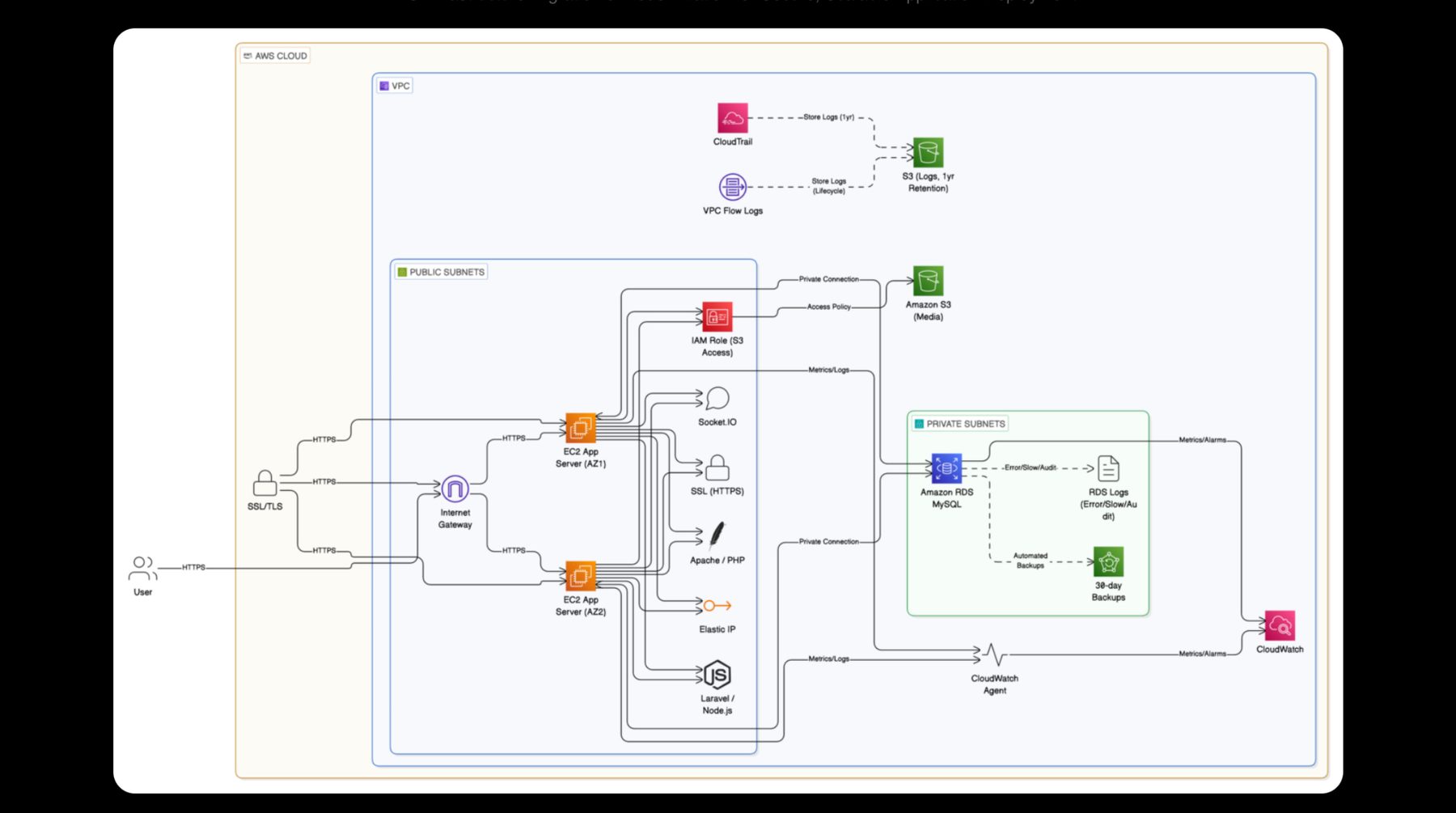
API Gateway, Lambda, Aurora PostgreSQL Serverless v2 and Bedrock, with Titan Text Embeddings V2 and pgvector HNSW search; architecture, security and running costs reviewed before build.
natural-language search with recommendation logic that combines relevance with budget limits, vendor preference and availability; React app on S3 and CloudFront.
Secrets Manager, RDS Proxy, IAM roles, private subnets and VPC endpoints; deployed with CloudFormation.
Aurora scales with demand, RDS Proxy for concurrent Lambda connections, VPC endpoints recommended in place of a NAT gateway.
The architecture
- Amazon Bedrock
- Titan Text Embeddings V2
- Aurora Serverless v2
- pgvector
- RDS Proxy
- CloudFront
The result
Employees search in natural language and find relevant products in seconds instead of reviewing large catalogues by hand.
Better search accuracy and less manual effort, on a scalable serverless base.
Want something like this for your team?
Tell us the questions your team asks or the work that slows you down. An engineer will suggest a small first build on Amazon Bedrock.