






The client
Dexlyn uses QueryDash, our agentic investigation platform, for business intelligence.
The challenge
- Understanding what drove revenue and other key metrics meant manual SQL and combining results by hand.
- Complex business questions were slower to answer than the business wanted.
How the agent works
Understand the goal. The agent restates what you are trying to find out.
Plan. It breaks the question into steps.
Discover the data. It finds the tables and columns that matter, and how they relate.
Generate SQL. It writes the SQL for the next step.
Validate: read-only. Every statement is checked before it runs. Writes and schema changes are rejected.
Execute. The query runs against production data, read-only.
Analyse. It reads the results and decides what they mean.
Replan or retry. If a query fails or the answer is incomplete, it adjusts the plan and tries again, until it can explain the answer.
What we did
understood the questions users needed answered, the data and how it relates, and defined secure, read-only access to production data.
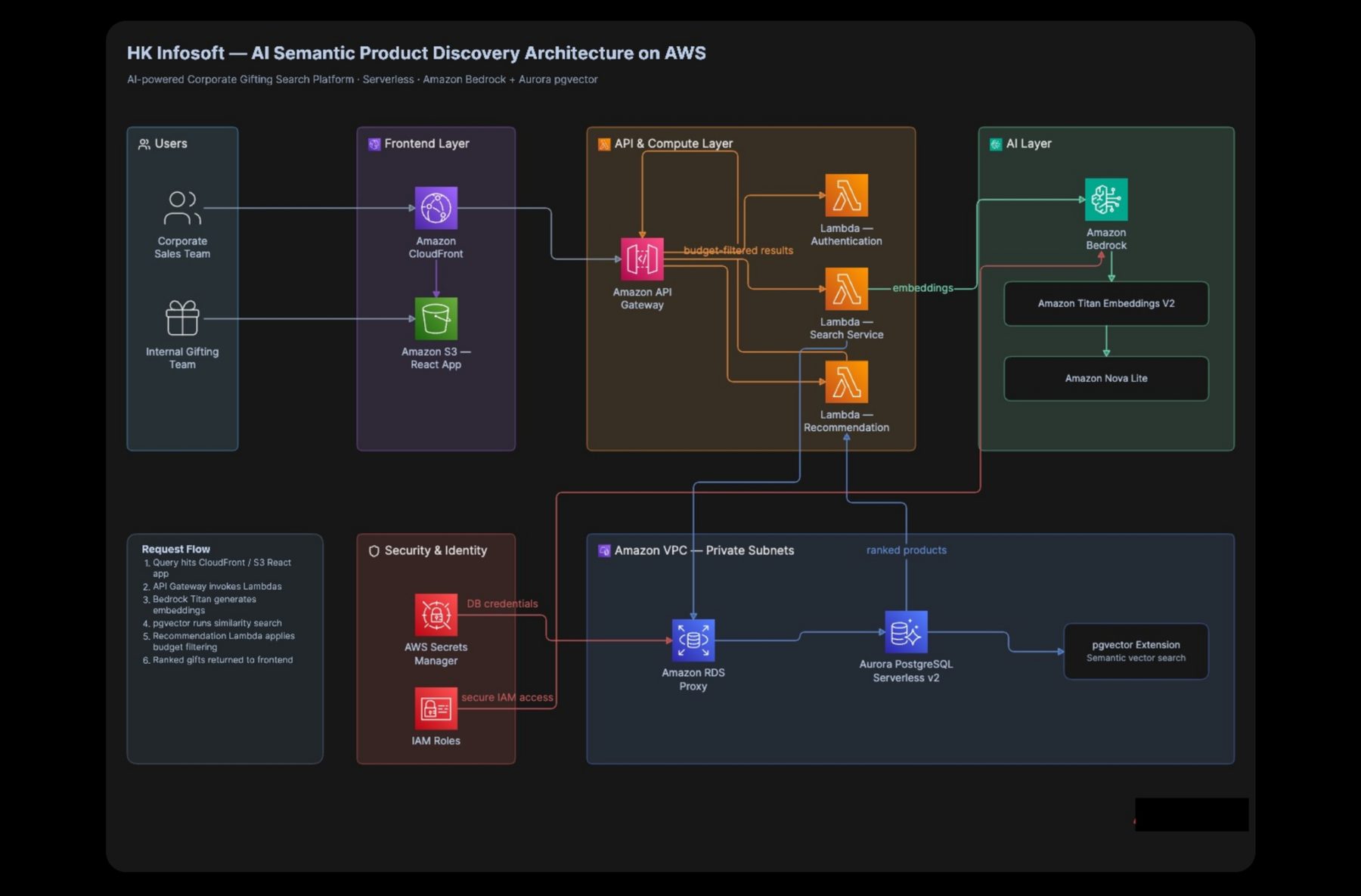
QueryDash, our agentic investigation platform on AWS. A React web app on CloudFront and S3, an Application Load Balancer, the agent on Amazon ECS Fargate, Amazon Bedrock with Amazon Nova Pro, conversation and investigation memory in DynamoDB, credentials in AWS Secrets Manager, monitoring in CloudWatch.
understand the goal, plan, discover the data, generate SQL, validate it as read-only, execute, analyse, then replan or retry until it can explain the answer.
every SQL statement is validated before it runs; write and schema-changing operations are rejected.
database connectivity, Bedrock and Nova Pro configuration, secure credentials, read-only SQL validation, conversational context, real-time streaming and validation of representative scenarios.
application, infrastructure and agent monitoring, query support, troubleshooting and ongoing tuning of planning, SQL generation and recovery.
The architecture
- Amazon Bedrock
- Nova Pro
- ECS Fargate
- Aurora PostgreSQL
- DynamoDB
- Secrets Manager
The result
Users ask in natural language instead of writing SQL or waiting for a technical team.
The agent runs multi-step investigations, recovers from failed queries and shows evidence for its findings.
Follow-up questions keep the context of the investigation.
Production data stays protected with read-only, validated access.
The same platform extends to new questions without building a new analytics workflow each time.
Want something like this for your team?
Tell us the questions your team asks or the work that slows you down. An engineer will suggest a small first build on Amazon Bedrock.